 Crows, ravens, jays, and magpies are adaptable, but that does not mean they are free from threat, and a few simple actions can help them thrive.


Why Most Casino Players Never Beat the House (And How the Pros Do)
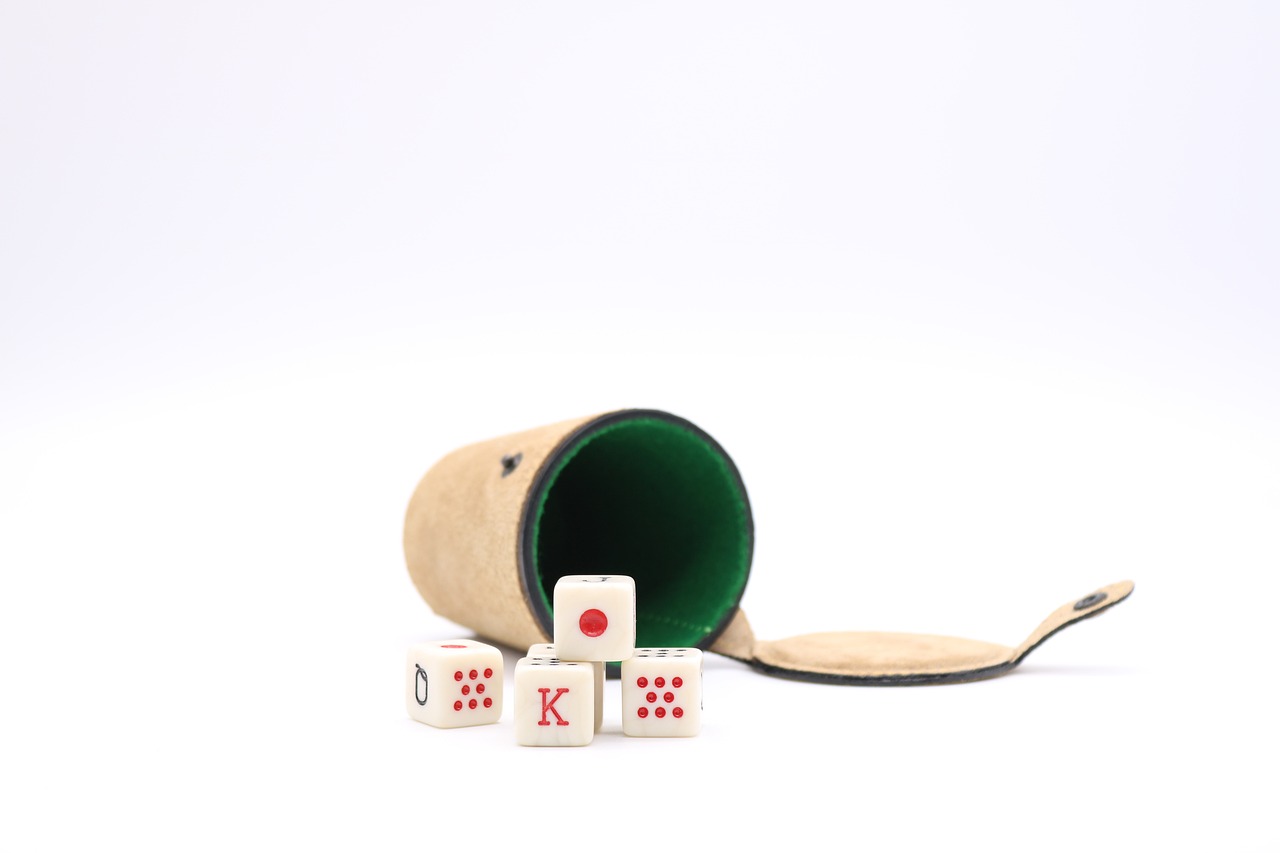
Every gambler remembers their first big win. The rush of watching a slot re-spin, the bluff that worked at a five-handed poker table, the parlay that hit on a Sunday afternoon. What almost nobody remembers is the slow math that quietly reclaims all of it. If you have spent any real time around casinos and sportsbooks, you have probably noticed something uncomfortable: the same people who post screenshots of jackpots are the ones who disappear for a few months after. There is a reason for that, and it has nothing to do with luck being cruel.
The house edge is the most misunderstood number in gambling. It is not a fee, and it is not a punishment. It is a slow tide, and the entire game is about learning how to build a dam before it swallows you.
Understanding the House Edge Like a Professional
Most casual players equate bet size with risk. A $5 spin and a $5 blackjack hand feel identical in the moment. They are not. A typical Las Vegas slot returns somewhere between 92 and 96 percent to the player over millions of spins. That means the house keeps 4 to 8 cents of every dollar wagered on that machine, theoretically forever. Blackjack played with basic strategy sits around 0.5 percent. European roulette runs at 2.7 percent, American roulette at 5.26 percent. Baccarat on the banker bet sits near 1.06 percent.
Here is the part most people skip: the house edge does not reset when you leave and come back. It is applied to total lifetime handle, not to individual sessions. This is why streaks are real in the short term and completely meaningless in the long term. A player who wins $2,000 in an hour has simply front-loaded volatility. If they keep playing, the math knows exactly where to find them.
A quick comparison of common games
- Blackjack (basic strategy): 0.5% house edge
- Baccarat (banker): 1.06%
- Craps (pass line with odds): under 1%
- European Roulette: 2.7%
- Slots: 2% to 8% depending on jurisdiction and machine
If you take nothing else from this article, take this: the only real edges a player can control are game selection, bet sizing, and the discipline to stop. Everything else is theater.
Slots: Reading Between the Reels
Slot machines are the most profitable product in any casino floor, and they are engineered to be. Modern video slots are not random number boxes. They are carefully balanced math models with volatile pay tables designed to feel close to winning roughly 30 to 40 percent of the time, even when you are slowly bleeding out.
Look for three things when evaluating a slot:
- RTP disclosure. Jurisdictions like the UK, Malta, and many EU markets require it. Anything above 96% is strong. Below 94% and you are paying a premium for entertainment.
- Volatility. High-volatility slots pay rarely but large. Low-volatility slots pay often but small. Your bankroll size should dictate which one you sit at.
- Max win and hit frequency. A slot advertising a 50,000x max win usually has a brutal base game grind. That is fine if you are playing for the ceiling, terrible if you want session time.
A useful rule of thumb: never buy a bonus feature or max bet into a high-volatility slot unless you are comfortable losing that entire amount with zero return. Bonus buys are priced so the house edge remains, sometimes slightly worse than the base game.
Poker Is the Only Game Where You Profit From Other Players
Poker sits in a different universe. The house takes a rake, a small cut of each pot, and then gets out of the way. Every dollar you win comes from another player, not from the casino. This means the skill ceiling is genuinely high, but so is the variance. You will find a helpful summary at สล็อต.
The single biggest leak for recreational poker players is confusing patience with passivity. Tight is good. Tight and passive is a slow death. You need to be selective about which hands you enter, then aggressive once you are in. A useful framework many winning low-stakes players use:
- Play roughly 18–22% of starting hands in a full-ring cash game.
- Open-raise rather than limp. Limping invites multiway pots where your equity collapses.
- Position matters more than card strength. A mediocre hand on the button beats a decent hand in the small blind.
- Track your results over at least 20,000 hands before drawing any conclusion.
Online poker at low stakes is tougher than it was in 2008, but it is also more beatable than most people claim. The fish did not disappear, they just got faster at finding better tables.
Sports Betting: The Market Is Smarter Than You
If poker rewards skill and slots punish it, sports betting sits somewhere in the middle and leans toward the house. Closing lines in major markets like the NFL, NBA, and Premier League are extremely efficient. This is not a conspiracy, it is a reflection of sharp money, limited information, and algorithmic pricing. Beating a closing line consistently is the only documented way to prove long-term profitability.
That does not mean you cannot win. It means you have to hunt for value where the market is forced to be slow:
- Injury news that has not fully priced in yet
- Promotional boosts and free bets that eliminate or reverse the house edge
- Niche leagues with thinner liquidity and softer limits
- Live betting during chaotic moments when the algorithm overreacts
Chasing favorites with heavy juice is the fastest way to burn a bankroll. A -300 line that loses 28 percent of the time is not "safe." It is a market with no room for error.
Bankroll Management Is the Real Skill
The gamblers who last are not the ones who pick winners. They are the ones who size bets correctly and walk away when the plan breaks. A simple framework that works across every game:
- Decide your bankroll in advance. This is money you can lose without affecting your life.
- Bet 1 to 2 percent of that bankroll per unit, no exceptions.
- Set a session stop-loss and a session profit target. Leave when you hit either.
- Never chase. The house edge grows heavier, not lighter, when you are angry.
This is unglamorous advice, which is exactly why so few people follow it. But it is the difference between a hobby and a slow financial leak.
The Bottom Line
Gambling is not a battle against luck. It is a negotiation with math, and you are always the smaller party at the table. The players who come out ahead over years understand that truth, respect it, and build their strategy around it. They choose games with low edges, they size bets for durability, and they treat every session as part of a long curve rather than a single showdown. If you walk into a casino or open a sportsbook app expecting to beat the house in one night, you are not playing the game, you are the game. Learn the edges that actually exist, and you will stop being surprised when the tide comes back in.