
 Blue Jays are loud, and their calls are more than background noise; they are a complex system of warnings, greetings, and mimicry.
Corvid Conservation: The Quiet Challenges Facing Our Smartest Birds
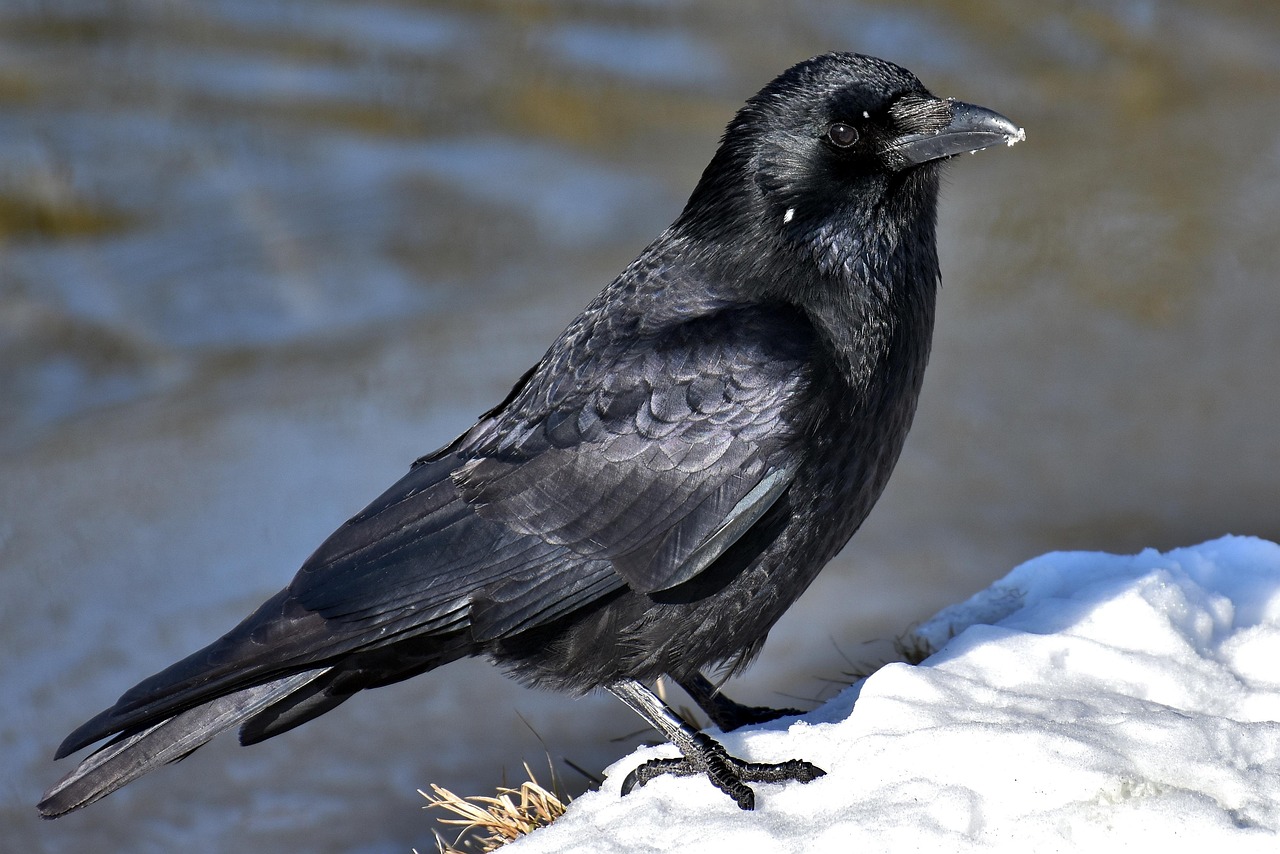
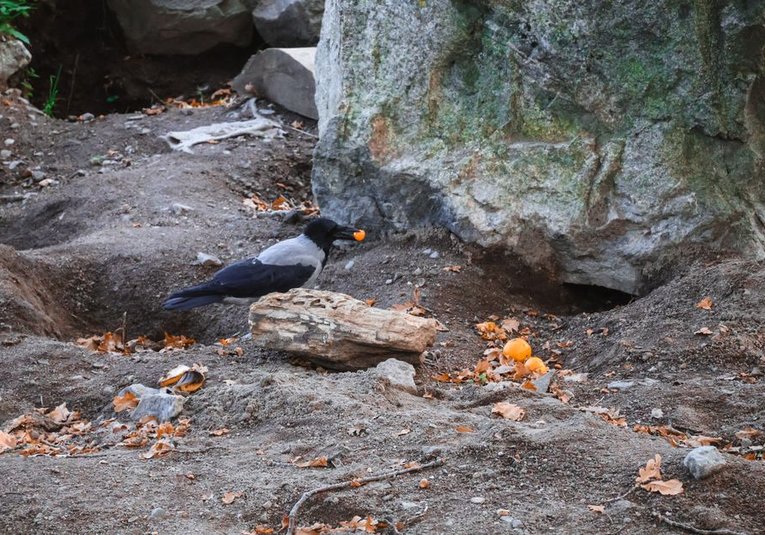
Corvids have a reputation for being survivors. They eat almost anything, they live in almost any habitat, and they seem to thrive wherever people are. That adaptability can make it easy to assume they are doing fine. But some corvid species are in decline, and even the common ones face pressures that are easy to overlook.
In North America, the Florida Scrub-Jay is a striking example. It lives only in the scrub habitat of central Florida, and it is listed as threatened. Its decline is tied to habitat loss and fire suppression, which allows scrub to grow into forest that the jays cannot use. The Island Scrub-Jay, found only on Santa Cruz Island off California, is similarly restricted. These are not birds that can simply move somewhere else.
The Threats They Face
Even widespread species face challenges. West Nile virus has hit American Crows hard in some regions, causing noticeable local declines. Habitat loss continues to shrink the wild spaces that ravens and jays depend on. And in some areas, corvids are still legally killed because they are seen as pests or as threats to other birds, a practice that wildlife biologists continue to debate.
There is also the quieter problem of what corvids eat. Because they are opportunistic, they pick up whatever is available, including food that is bad for them. Lead fragments from spent ammunition, rodenticides, and other toxins can accumulate in their bodies. A crow that feeds on a poisoned rodent may not die immediately, but the poison can affect its behavior and its ability to survive.
What You Can Do
Helping corvids does not require a wildlife degree. The simplest step is to keep your yard bird-friendly. Plant native trees and shrubs, leave some leaf litter for insects, and avoid pesticides and rodenticides. If you feed birds, offer a variety of foods, including unsalted peanuts, and keep feeders clean to reduce the spread of disease.
Another step is to respect them as wild animals. Corvids are clever and charismatic, and it is tempting to try to tame them, but a crow that loses its fear of people can end up in trouble. Enjoy them from a distance, watch their behavior, and let them be the wild birds they are.
Finally, support local conservation groups and habitat protection efforts. The same wetlands, forests, and scrublands that corvids need are the ones that support countless other species. When you protect a place for a jay, you are protecting a whole community of life. The crow on your fence is a reminder that even the most adaptable birds depend on the world we share with them.