
 A magpie nest is one of the most elaborate structures any bird builds — a domed fortress of sticks, mud, and ingenuity that takes weeks to complete.
Blue Jay Communication: What All That Noise Is Really Saying
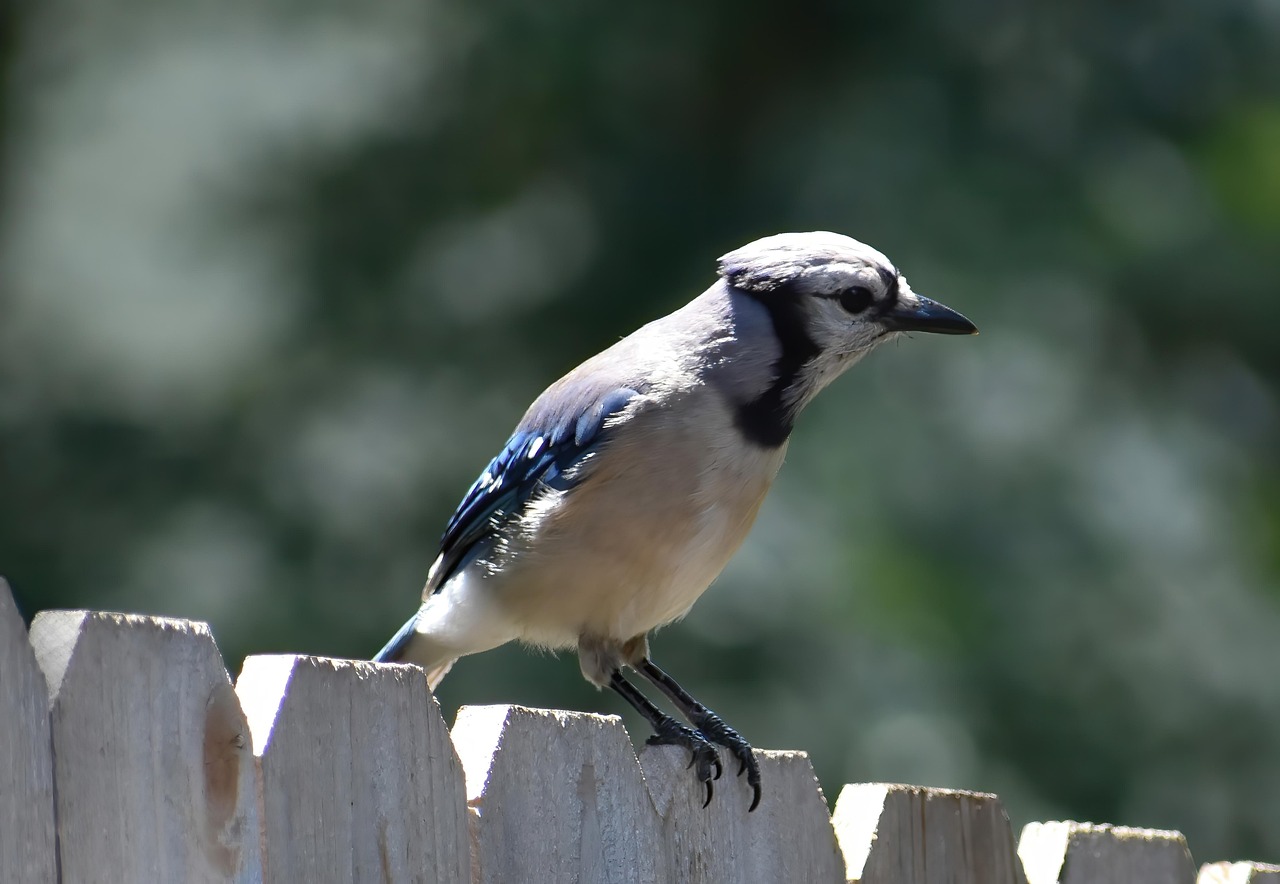
If you have a bird feeder, you know the sound. A Blue Jay arrives with a loud jeer, and within seconds the other birds scatter. But that noisy entrance is not just aggression. Blue Jays have one of the most varied vocal repertoires of any backyard bird, and their calls carry specific meanings that other birds, and sometimes other jays, seem to understand.
The most familiar call is the jeer, a harsh, descending note that sounds like a rusty gate. It is often described as a warning, and it does seem to function that way. When a jay gives the jeer, other birds in the area often go still or dive for cover. But the jeer is not a single sound. Blue Jays produce variations in pitch, length, and repetition, and those variations appear to communicate different levels of urgency.
The Hawk Alarm and the Quiet Call
One of the Blue Jay's most remarkable vocal habits is its ability to mimic the calls of hawks. A jay can produce a convincing Red-shouldered Hawk call, and when it does, other birds often flee. Researchers have suggested that jays use this mimicry to clear a feeder or to warn of real danger, and the effect on other species is immediate. A jay that sounds like a hawk can empty a bird feeder in seconds.
Not all Blue Jay sounds are loud. Jays also produce a soft, almost musical series of notes, sometimes called the quiet call or the bell call, that they use when they are relaxed and in the company of other jays. This call is easy to miss because it is low and gentle, and it is often given by a jay sitting still in a tree rather than flying in. If you hear it, you are probably near a jay that feels safe.
Reading the Body Language
Sound is only part of the picture. Blue Jays also communicate with their crests. A jay with its crest raised high is excited, alarmed, or aggressive. A jay with its crest lowered and flattened is calm or submissive. The crest is not a mood ring, but it is a reliable clue, especially when combined with the bird's posture and the sounds it is making.
For backyard watchers, the fun is in paying attention. Notice which call brings the flock to the feeder and which one sends them away. Watch how a jay's crest changes when a hawk passes overhead. Over time, you will start to hear the difference between a jay that is announcing itself and a jay that is giving a genuine alarm, and you will realize that the noise you once dismissed as chaos is actually a running conversation.