
 Attracting crows and jays to your yard is easy — the challenge is doing it in a way that keeps them safe and wild.
The Family Life of Crows: What a Roost Really Means
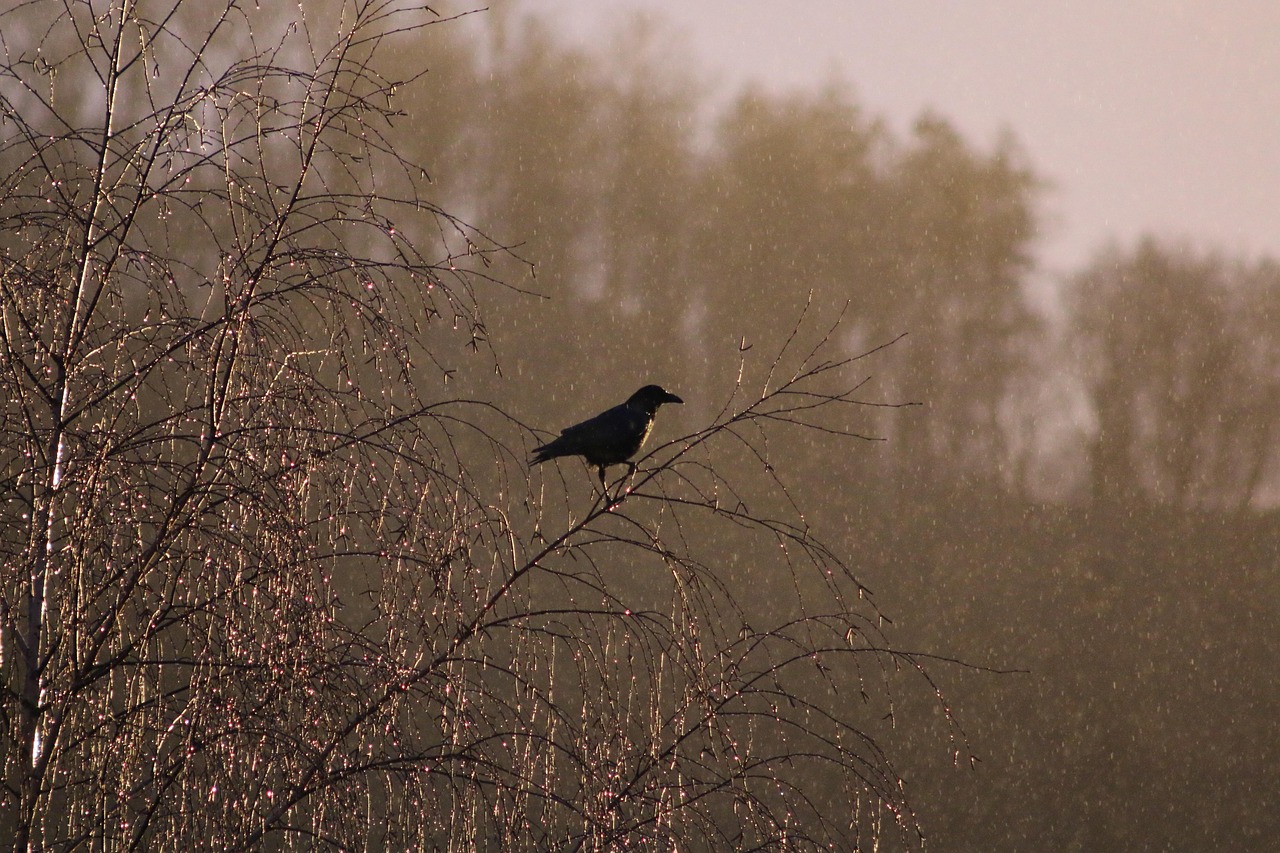
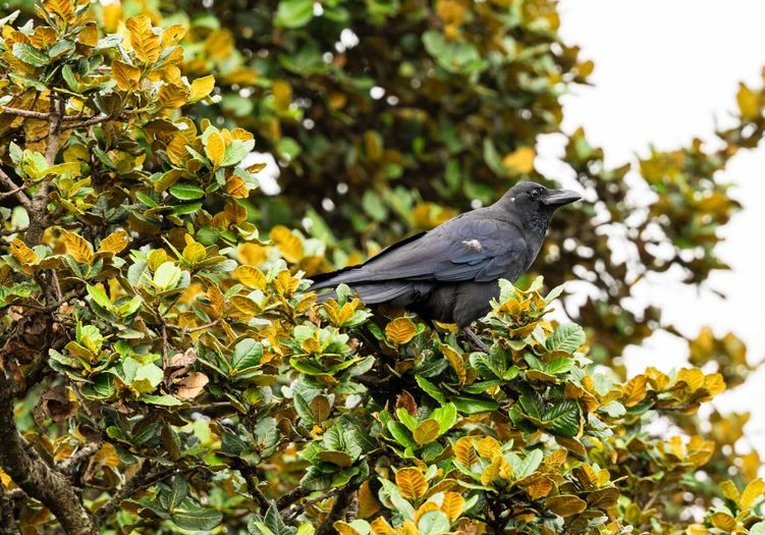
If you've ever watched a flock of crows stream across the evening sky, all heading the same direction, you've witnessed one of the most fascinating routines in the bird world. They're not simply going to sleep. They're heading to a roost — a communal gathering place where dozens, sometimes hundreds, of crows spend the night together. Understanding why they do this opens a window into just how social these birds really are.
Roosts can form in almost any large stand of trees, but crows seem to favor certain spots year after year. A cluster of tall pines near a shopping center, a grove behind a cemetery, even the landscaped trees of a university campus — if crows have chosen it, there's usually a reason. Roosts tend to be near reliable food sources and offer some protection from the weather and from predators. The birds trickle in over the course of an hour or more, calling back and forth as they settle into their spots.
Why Gather at All?
Staying together at night comes with real advantages. More eyes mean earlier warning if an owl or another threat appears. On cold nights, clustering together helps birds conserve warmth. And there's a social dimension too: roosts are where young crows can observe older, more experienced birds, and where family groups that spent the day apart can regroup.
Not every crow at a roost is related, but many are. Crows live in extended family units, and young birds often stay with their parents for a year or more, helping raise the next batch of chicks. That cooperative streak is part of what makes corvids so unusual among birds. A roost is essentially a neighborhood made up of several of these family groups, all sharing the same nightly address.
If you live near a roost, you've probably noticed the noise. Crows are not quiet birds at the best of times, and a roost at dusk can be genuinely loud. But the racket is not random. Birds are negotiating position, greeting relatives, and occasionally squabbling over the best branches. As darkness falls, the noise gradually fades until the trees go quiet.
What Roosts Tell Us About Corvid Intelligence
Roosts are one more piece of evidence that crows live complex social lives. They recognize individual birds, remember past interactions, and seem to keep track of who's who within their community. Researchers who study corvid behavior often find that these birds treat familiar and unfamiliar individuals very differently, which suggests a level of social awareness that rivals what we see in primates.
For backyard observers, roosts offer a chance to watch corvid society up close. If you have a roost nearby, try noting the time the birds arrive and the direction they come from. Over a season, you may start to recognize patterns — the same family group arriving first, a particular tree that always fills up last. It's a slow, rewarding kind of birdwatching, and it doesn't require any special equipment.
It's also worth remembering that roosts are temporary. Crows shift locations as food sources change and seasons turn, and a roost that's active in winter may empty out by spring. If you find one, enjoy it while it lasts. You're watching one of the oldest and most social traditions in the corvid world.