
 A magpie nest is one of the most elaborate structures any bird builds — a domed fortress of sticks, mud, and ingenuity that takes weeks to complete.
The Magpie's Mirror: Folklore, Omens, and the Bird People Love to Blame
Few birds carry as much cultural baggage as the magpie. In much of Europe, a single magpie is said to bring sorrow, while two bring joy. In parts of Asia, the same bird is a symbol of good fortune and marital happiness. The contrast is striking, and it says less about the magpie than about the people who have watched it for centuries.
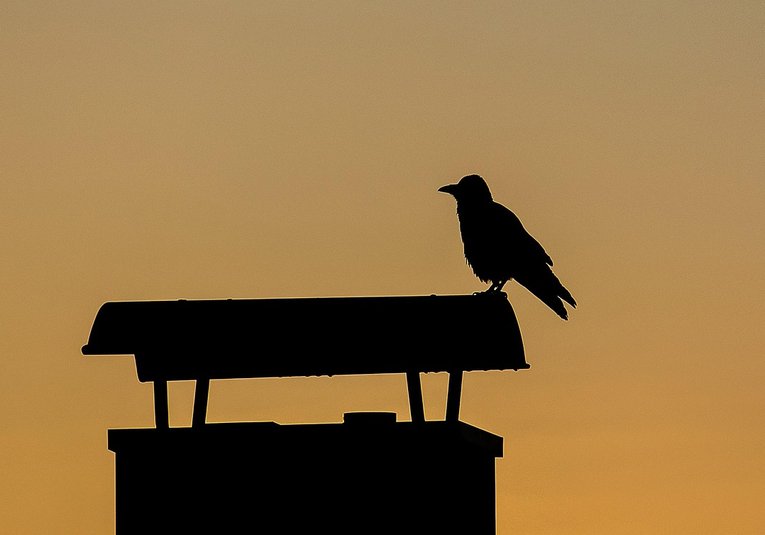
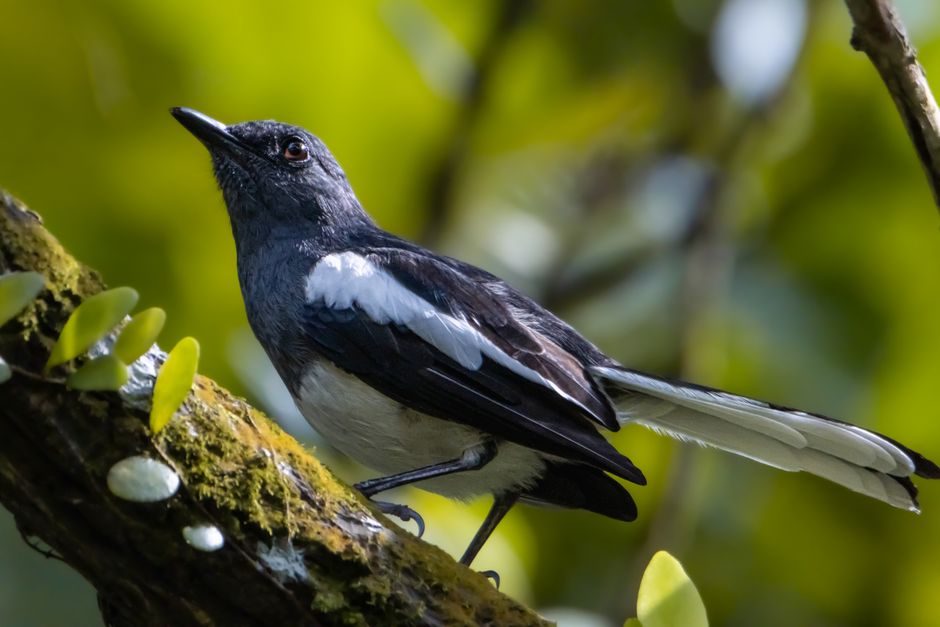
The Eurasian Magpie is a striking bird, black and white with a long tail that flashes green and blue in the right light. It is bold, curious, and loud, and it has lived alongside humans for so long that it has worked its way into rhymes, superstitions, and household sayings. The old English rhyme about magpies counting one for sorrow, two for joy, and so on, is still recited today, even by people who could not identify a magpie in a tree.
Why the Bad Reputation?
Part of the magpie's poor reputation comes from its habit of eating eggs and nestlings, and from its willingness to investigate anything shiny or interesting. Farmers and gamekeepers once saw magpies as thieves and pests, and that resentment filtered into folklore. In some traditions, the magpie was said to be the only bird that did not mourn at the crucifixion, or the bird that refused to enter Noah's ark. These stories gave the bird a reputation for mischief and worse.
But the magpie's cleverness is precisely what made it a favorite in other traditions. In China, the magpie is a bird of joy, and seeing one is considered a good omen. The bird is associated with the Qixi festival, where magpies are said to form a bridge across the Milky Way so that two separated lovers can meet once a year. In Korea, the magpie is a messenger of good news, and its call is welcomed rather than feared.
What the Stories Get Right
Modern observers of magpie behavior will recognize the bird in these old tales. Magpies are social, intelligent, and intensely curious. They cache food, they recognize individual humans, and they will investigate a new object in their territory with a caution that looks a lot like deliberation. They are also capable of holding grudges, and a magpie that has been harassed may remember the person who did it.
That mix of boldness and memory is probably what made magpies such easy characters in folklore. A bird that looks you in the eye, steals your picnic, and remembers your face is bound to attract stories. Whether you greet a magpie as an omen of joy or a sign of sorrow, you are participating in a tradition that is centuries old, and you are watching a bird that has earned every bit of its reputation.