
 Caching is one of the crow family's most impressive feats, and understanding it changes how you see every bird flying overhead with something in its beak.
Corvids in Folklore: From Tricksters to Messengers
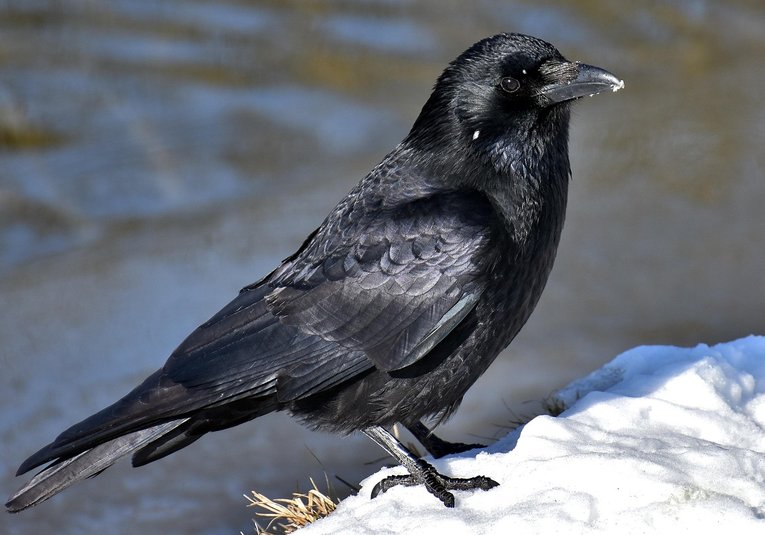
Few bird families have inspired as much storytelling as the corvids. Crows, ravens, jays, and magpies appear in the myths and legends of cultures around the world, and their roles are surprisingly varied. In some traditions they're wise messengers; in others, they're tricksters, omens, or even gods. What's striking is how often the same themes show up in places that had no contact with one another. The birds themselves seem to invite stories.
In many Native American traditions, Raven is a creator figure — a powerful being who brought light to the world or shaped the landscape. He's also a trickster, capable of both great generosity and petty mischief. This dual nature is a recurring theme. Corvids are smart enough to solve problems and sneaky enough to steal food, and human storytellers have always noticed that combination.
Omens and Superstitions
In European folklore, corvids often carry darker associations. A single crow on a roof might be seen as an omen of death, while a group of magpies could bring good or bad luck depending on how many you counted. The famous rhyme about magpies — one for sorrow, two for joy — is still recited today, even by people who don't take it seriously. Ravens, meanwhile, were linked to battle and prophecy, and their presence on a battlefield was seen as a sign of things to come.
These associations aren't entirely arbitrary. Crows and ravens are scavengers, and they're often among the first birds to appear where there's carrion or disturbance. That practical behavior, observed over centuries, likely fed into their reputation as birds of ill omen. But the same birds were also admired for their cleverness and their ability to thrive alongside humans.
In parts of Asia, corvids have a very different reputation. In some Japanese traditions, crows are messengers of the gods, and the three-legged crow — Yatagarasu — is a symbol of guidance and divine will. In Chinese mythology, the three-legged crow lives in the sun, a far cry from the European image of a bird of death. Same family, very different stories.
Why We Keep Telling These Stories
Part of the reason corvids loom so large in folklore is that they're easy to observe. They live near us, they're active during the day, and they do things that seem almost human — caching food, using tools, gathering in noisy groups. When our ancestors watched a crow hide food and then return to it days later, they were seeing something that felt like memory and intention. It's no wonder those observations turned into stories.
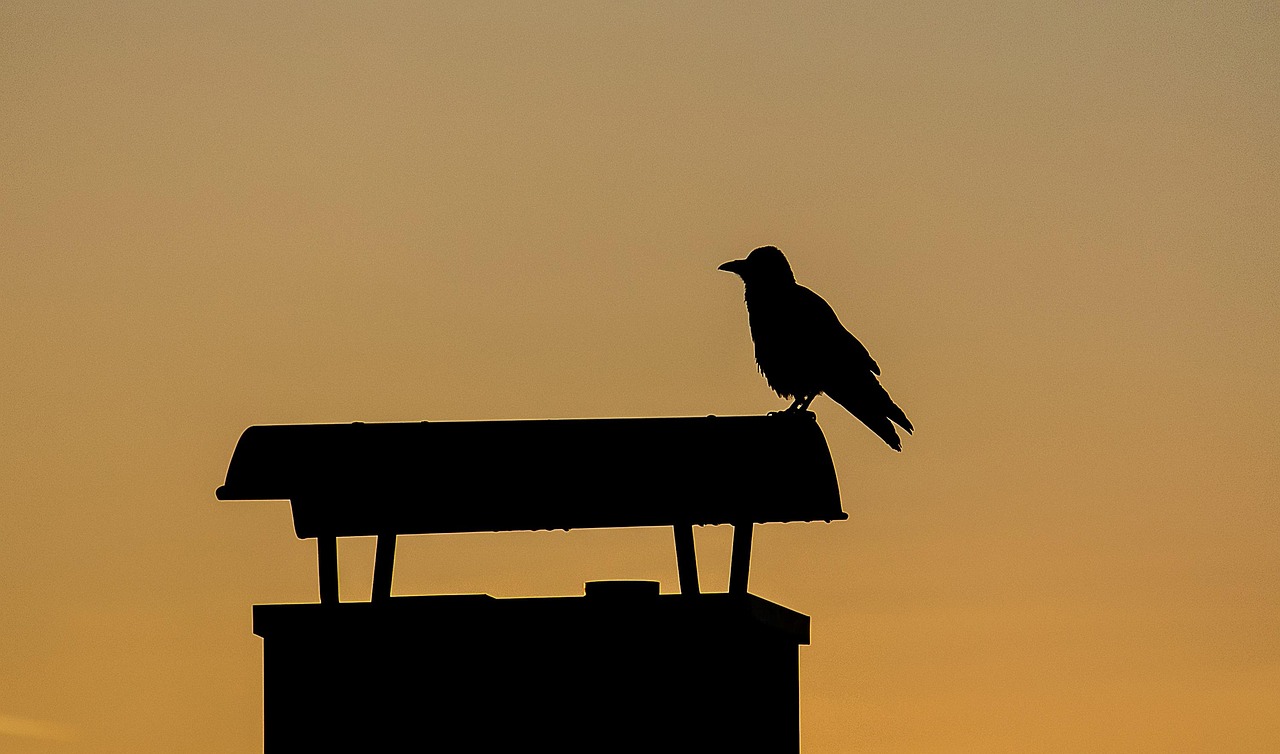
Today, the folklore hasn't disappeared. People still notice when a raven lands on a fence post, still count magpies, still feel a small shiver at a crow's call. The stories we tell about corvids have changed, but the birds themselves haven't. They're still watching us from the treetops, and we're still watching them back. That long conversation, carried on across centuries, is one of the most enduring relationships between humans and wild birds.