
 Attracting crows and jays to your yard is easy — the challenge is doing it in a way that keeps them safe and wild.
Reading a Jay's Crest: Small Signals, Big Meanings
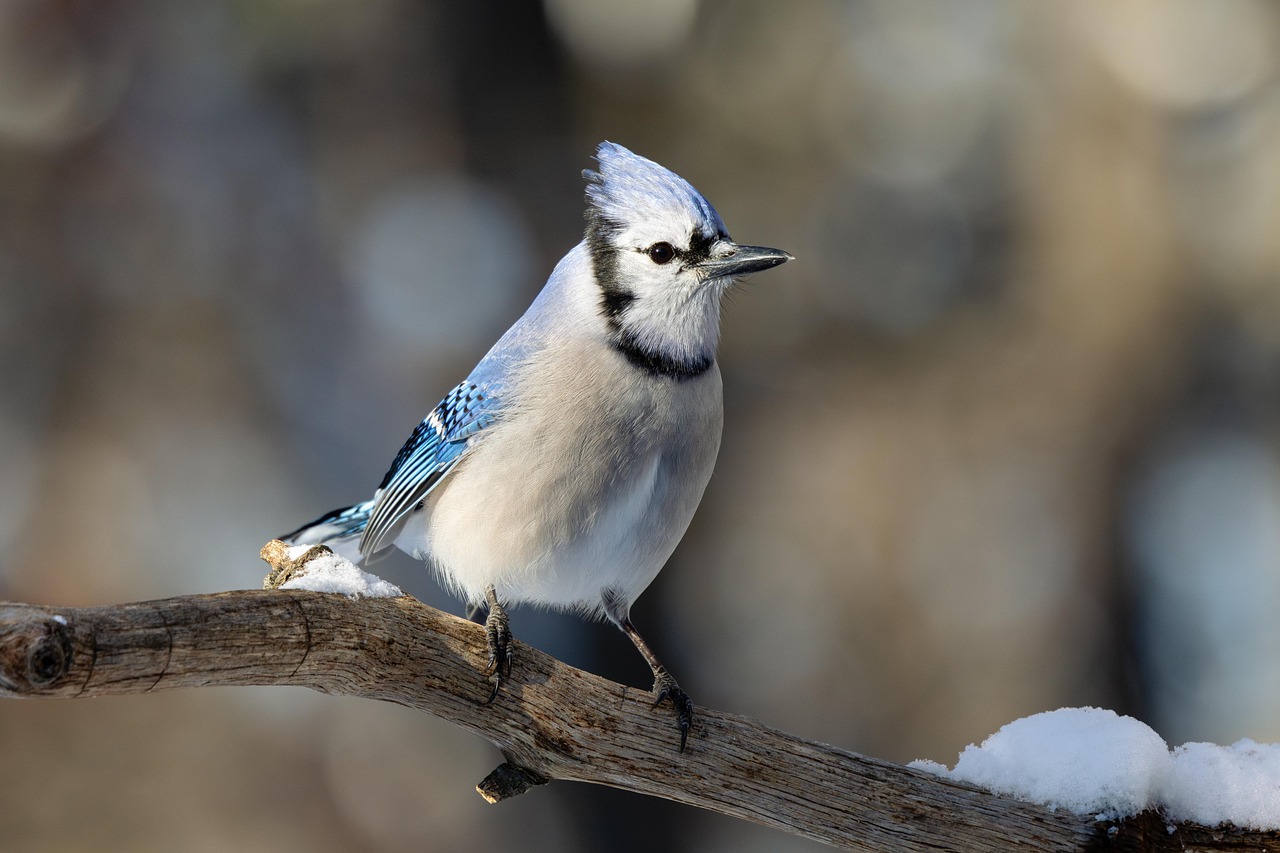
Blue jays are among the most recognizable birds in North America, and most people can identify one at a glance. But there's a whole layer of meaning in a jay's posture that casual observers miss. The crest — that jaunty tuft of feathers on top of the head — is one of the clearest signals a jay gives, and once you learn to read it, you'll never look at these birds the same way again.
When a jay is relaxed and going about its business, its crest sits relatively flat against its head. The bird looks sleek, almost smooth. This is the default posture you'll see at a feeder when nothing in particular is happening. But watch what happens when another jay lands nearby, or when a hawk passes overhead. The crest snaps up, sometimes dramatically, and the bird's whole silhouette changes.
The Crest as a Mood Indicator
A raised crest generally signals alertness, excitement, or agitation. A jay that's alarmed or feeling aggressive will often raise its crest almost vertically, and you may also see the feathers on the body puff up slightly. This makes the bird look larger and more imposing, which is useful when it's trying to bluff a rival away from a food source or warn off a predator.
The crest also moves in subtler ways. A partially raised crest might mean mild interest or uncertainty. A crest that flicks up and down quickly can accompany the jay's famous jeering calls. If you spend time watching a group of jays at a feeder, you'll start to notice that the crest rarely stays in one position for long. It's a constantly updating signal, like a status light.
It's worth noting that crest position isn't a perfect guide to a jay's internal state. Birds also raise their crests when they're preening, stretching, or just shifting position. The trick is to read the crest alongside other cues — the bird's posture, the direction of its gaze, and the sounds it's making. Together, these give a much fuller picture.
Beyond the Crest: Other Jays to Know
Blue jays aren't the only crested corvids in North America. The Steller's jay, found in the West, has a dramatic black-and-blue crest that works in much the same way. And while not closely related, the tufted titmouse — a frequent feeder companion — uses its smaller crest in similar fashion. Learning to read one crested bird helps you read others.
For the backyard naturalist, the real pleasure of jay-watching is in the details. A jay that lands quietly with a flat crest is probably just passing through. A jay that arrives with its crest up, calling loudly, is making a statement. And a jay that raises its crest while staring directly at another bird is almost certainly about to make a move. These small dramas play out in every yard that hosts jays, and they cost nothing to watch.
Next time a blue jay visits your feeder, take a moment to check its crest before it flies off. You may be surprised by how much information that single tuft of feathers is broadcasting.