
 A blue jay's crest isn't just decoration — it's a mood ring, and learning to read it changes how you see every jay in your yard.
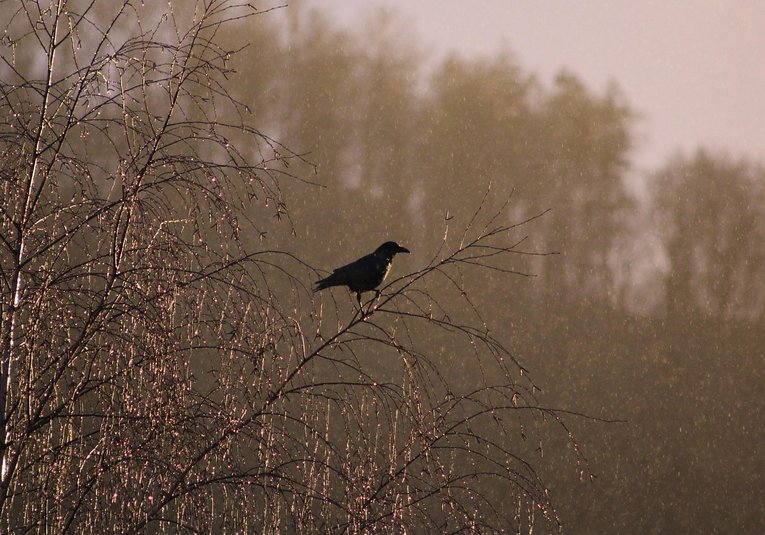
Backyard Corvids: How to Make Your Yard Inviting Without Doing Harm
Corvids are among the easiest birds to attract to a backyard, and for many people, that's the beginning of a rewarding hobby. A crow on the lawn, a jay at the feeder, a magpie on the fence — these are the moments that make backyard birding feel personal. But attracting corvids comes with responsibilities, and a few simple guidelines can make the difference between helping these birds and accidentally harming them.
The first thing to understand is that corvids are generalists. They'll eat almost anything, and they're quick to notice a new food source. A handful of unsalted peanuts, a bit of suet, or a dish of dried mealworms will usually get their attention. But it's important to offer food that's safe. Salted or processed snacks, moldy bread, and anything containing chocolate or artificial sweeteners can harm birds. Stick to plain, natural foods, and put out only what will be eaten in a day.
Water Matters More Than Food
If you want corvids in your yard, a reliable water source may be more important than a feeder. Crows, jays, and magpies all need to drink and bathe, and a shallow birdbath or a small pond will draw them in. Keep the water clean and change it regularly, especially in summer. A dripper or a small solar fountain can help keep the water moving and reduce mosquito problems.
Shelter is the third ingredient. Corvids like tall trees with open branches where they can perch and watch the area. If you have mature trees, you're already ahead. If not, a simple perch pole or a dead snag left standing can serve the same purpose. Avoid pruning trees during nesting season, and leave a few brush piles in corners of the yard for cover.
One thing to be careful about is unintentionally creating a hazard. Large windows are a major cause of bird deaths, and corvids are not immune. Decals, screens, or hanging cords can help break up the reflection. Keep cats indoors or supervise them outside, and avoid using pesticides that could poison the insects and seeds that corvids eat.
Keeping Corvids Wild
It's tempting to try to make friends with a crow or a jay, and these birds are smart enough to recognize individual people. But habituating wild birds to handouts can cause problems. A crow that associates people with food may become bold, approach strangers, or get into conflicts. It's fine to enjoy their visits, but keep the relationship at a distance. Watch, learn, and let them stay wild.
It's also worth remembering that corvids are part of a larger ecosystem. A yard that attracts crows will also attract other birds, and that's a good thing. Crows and jays can occasionally raid other nests, but they're also important scavengers and seed dispersers. A balanced yard with native plants, clean water, and a variety of habitats will support many species, not just the flashy ones.
The reward for all this is a backyard that feels alive. Corvids are curious, noisy, and endlessly entertaining. With a little care, you can enjoy them for years without doing them any harm.