
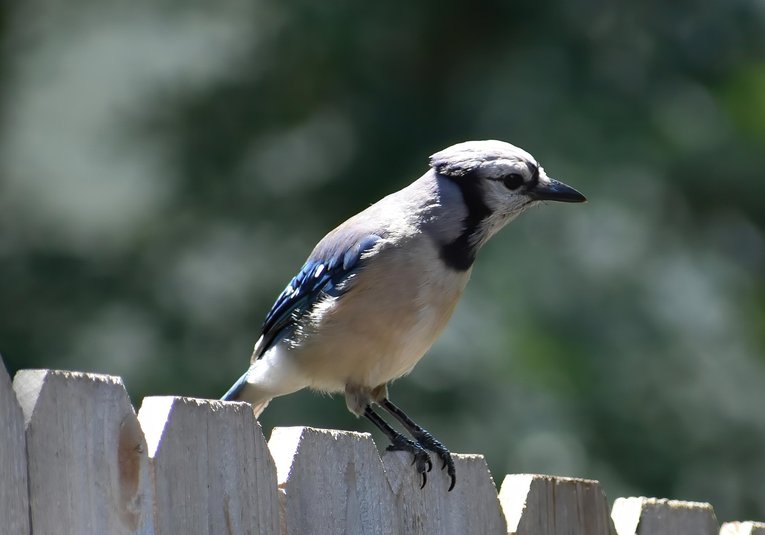
 Blue Jays are loud, and their calls are more than background noise; they are a complex system of warnings, greetings, and mimicry.
Magpies and the Art of the Nest: Engineering in the Treetops
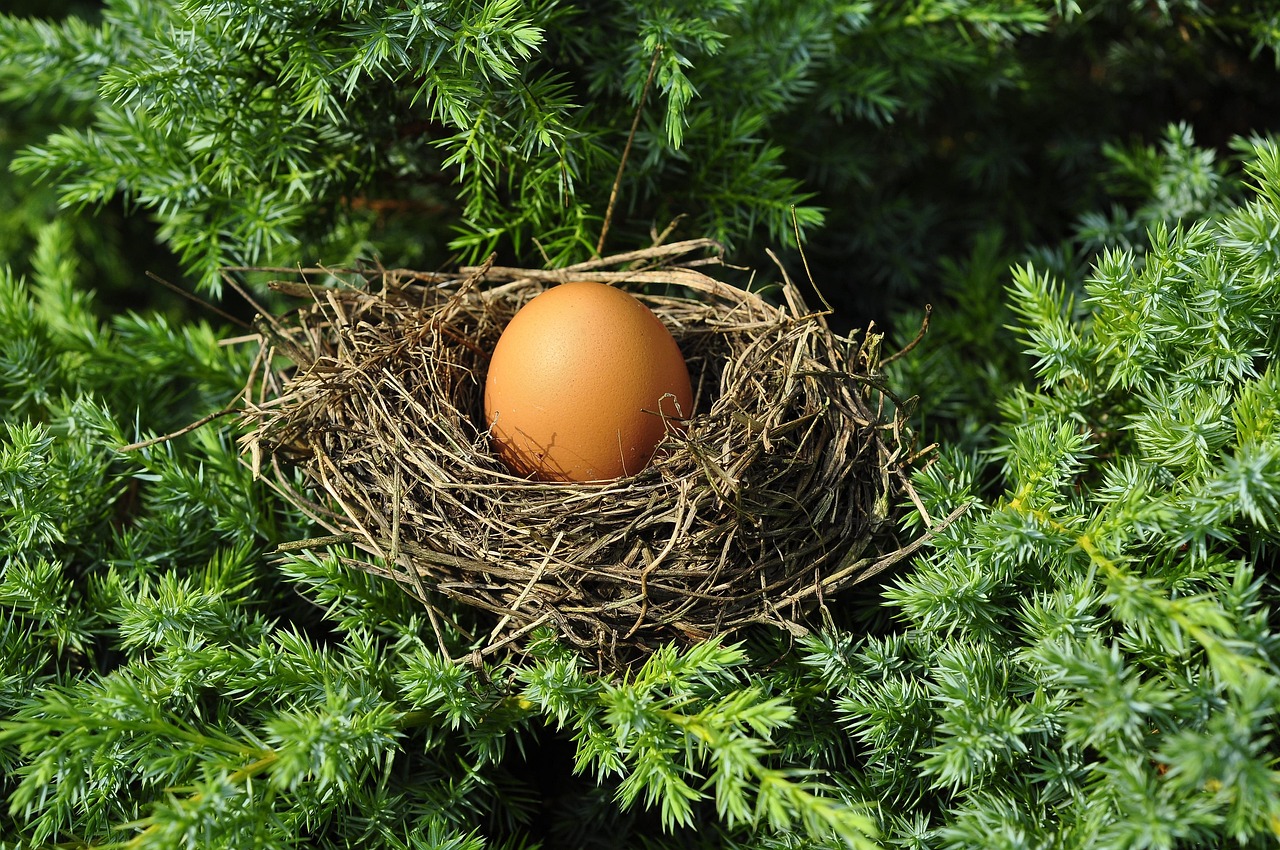
Most bird nests are simple affairs: a scrape in the ground, a cup of twigs, a hollow in a tree. Magpies do things differently. Their nests are domed, multi-chambered structures that can take weeks to build and are among the most complex nests of any bird. Watching a pair of magpies construct one is like watching a small construction crew at work, and the result is a genuine feat of avian engineering.
A magpie nest typically starts with a platform of large sticks, built in the fork of a tall tree. The birds weave these sticks together, sometimes working from both sides at once. Once the base is stable, they add a bowl-shaped layer of smaller twigs and roots, then line it with mud. The mud layer is a key feature — it cements the structure together and helps insulate the eggs. Finally, the pair builds a dome of sticks over the top, leaving one or two side entrances. The finished nest looks a bit like a spherical basket tucked into the branches.
Why Build a Roof?
The domed design isn't just for show. A roofed nest offers protection from rain, wind, and predators. It also makes it much harder for a hawk or a cat to reach the eggs or chicks inside. Magpies often build several nests before settling on one, and some of the unused nests may serve as decoys, drawing attention away from the active nest.
The construction process is a partnership. Both members of a pair work on the nest, and magpies are known to reuse and refurbish old nests from previous years. This kind of long-term investment in a single structure is unusual among birds and reflects the magpie's generally territorial, settled nature. Once a pair claims a territory, they tend to stay there, and their nest becomes a fixture in the landscape.
Magpies are also known to decorate their nests with unusual objects. While the stories of magpies collecting shiny things are sometimes exaggerated, there's no doubt that they take an interest in the world around them. A nest in a suburban tree might include bits of wire, plastic, or other human-made materials woven in among the sticks. This flexibility is part of what makes magpies so successful in a wide range of habitats.
Watching a Nest Without Disturbing It
If you're lucky enough to have a magpie nest in your area, the best way to enjoy it is from a distance. Magpies are wary birds, and a nest that's approached too closely may be abandoned. Use binoculars or a spotting scope, and keep your visits brief. The nesting season is a busy and vulnerable time for the birds, and a little restraint goes a long way.
Over the course of a season, you may see the nest change — sticks added, the dome reshaped, the entrance adjusted. Magpies are tinkerers, and their nests are never quite finished. For anyone interested in corvid behavior, a magpie nest is a front-row seat to some of the most intricate building work in the bird world.