
 Across Europe and Asia, magpies carry a reputation that swings from good luck to bad, and the stories behind them are as colorful as the birds themselves.
The Cache Artist: How Crows Remember Thousands of Hiding Spots
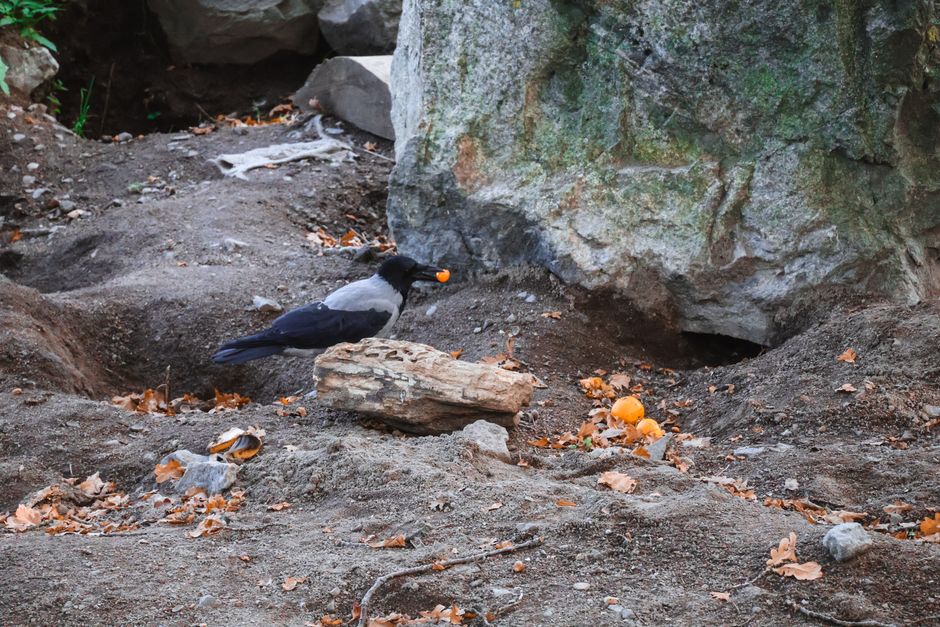
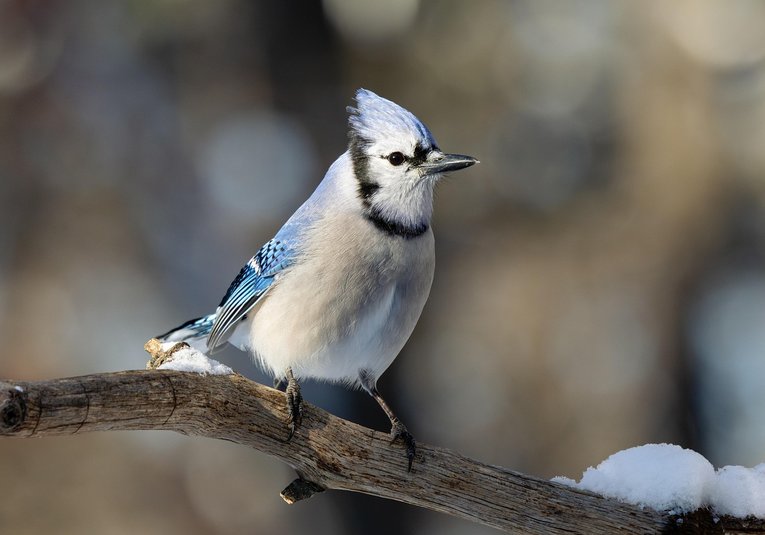
If you have ever watched a crow carefully tuck a peanut into a lawn, cover it with grass, and then fly off only to return an hour later, you have witnessed one of the most sophisticated food-storage behaviors in the bird world. Crows, along with their cousins the jays, ravens, and magpies, are champion cachers. They do not simply stash food for a rainy day; they build mental maps of hundreds, sometimes thousands, of individual hiding places, and they revisit them with startling accuracy.
The behavior is called scatter hoarding, and it is different from the larder hoarding you might see in a squirrel that stuffs everything into one tree cavity. A scatter hoarder distributes small caches across a wide area. This spreads the risk: if one cache is robbed by a rival or spoiled by moisture, the bird still has many others. For a crow living near people, that might mean dozens of little pits in a park, along a fence line, and under the mulch of a garden bed.
What Makes a Good Hiding Spot
Crows are picky about where they cache. They tend to choose spots with some cover, like loose soil, leaf litter, or the base of a shrub, and they often prefer to cache with their back to the wind or out of the direct line of sight of other birds. Watch a crow with a piece of food and you will notice it looking around before it digs. That glance is not random. Corvids appear to assess who is watching, and if another bird is nearby, they may delay caching, pretend to cache, or move to a more private location.
This awareness extends to re-caching. If a crow believes its cache has been observed, it may dig the food back up and move it somewhere else. Researchers who study corvid caching behavior have documented birds returning to move caches after a rival has watched them hide food, which suggests the crow is keeping track not just of where the food is, but of who might know where it is.
Memory That Rivals a Shopping List
The crow's ability to relocate caches is a marvel of spatial memory. Unlike a grocery list you might write down, a crow's cache map is internal, and it appears to be tied to landmarks, angles, and distances. A bird may remember that a cache is three hops from a particular rock and two wingbeats from the corner of a shed. Over a season, a single bird can manage a staggering number of these locations, and the memory seems to hold for weeks or months.
For backyard observers, this opens up a fun experiment. If you feed crows regularly, try offering unshelled peanuts and watch where they take them. You may notice certain birds favoring particular corners of your yard, returning to the same patch of lawn again and again. Over time, you might even catch them digging up a cache they made days earlier, a quiet reminder that the bird on your fence is running a mental inventory far more detailed than it lets on.